Recommended 11 Plus Reading List: Best Books for Ages 9-11
Build 11+ vocabulary, comprehension and verbal reasoning skills through reading
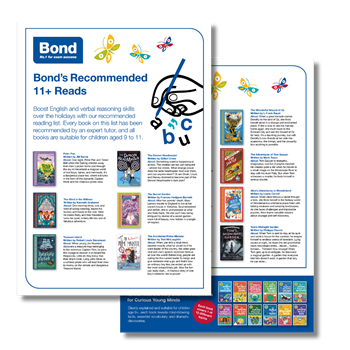
Reading widely is one of the most effective ways to prepare for the 11 plus English and verbal reasoning exams. Regular reading helps children develop the advanced vocabulary, comprehension skills and critical thinking abilities that are tested in grammar school and independent school entrance exams. It also exposes them to different writing styles, complex sentence structures and unfamiliar language, helping them become more confident readers and communicators.
Our recommended 11+ reading list has been carefully selected by experienced 11+ tutors to help children aged 9 to 11 broaden their reading experience while enjoying high-quality fiction. From beloved classics to engaging modern titles, these books have been chosen to challenge, inspire and encourage a lifelong love of reading
Whether your child is an enthusiastic reader or just beginning their 11+ preparation journey, this reading list offers a variety of genres, themes and challenge levels to suit different interests and abilities. We recommend encouraging children to read regularly, discuss what they have read and explore unfamiliar words to maximise the benefits of each book.
Download our free 11+ reading list below and discover tutor-recommended books that can help build vocabulary, comprehension and verbal reasoning skills.
Browse our list of recommended reads for children preparing for the 11+ exam
Children's Classics:
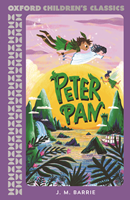
Peter Pan
Written by JM Barrie
About: One night, Peter Pan and Tinker Bell whisk the Darling children away from their London home and through the sky to Neverland-a-magical world of lost boys, fairies, and mermaids. It’s a dangerous place too, where evil lurks in the form of the dastardly Captain Hook and his villainous pirate crew.
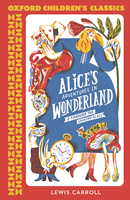
Alice’s Adventures in Wonderland
Written by Lewis Carroll
About: When Alice follows a rabbit through a hole, she finds herself in the fantasy world of Wonderland-a-whimsical place filled with talking creatures and amazing landscapes. As she faces challenges and impossible puzzles, Alice learns valuable lessons about courage and self-discovery.
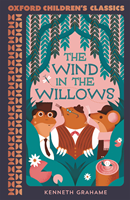
The Wind in the Willows
Written by Kenneth Grahame
About: One morning Mole, sick and tired of spring cleaning, leaves his burrow and heads to the river. Here he meets Ratty and their friendship turns his quiet, orderly life into one of fabulous adventure.
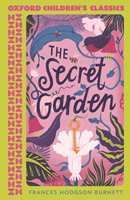
The Secret Garden
Written by Frances Hodgson Burnett
About: After her parents’ death, Mary Lennox travels to England to live at her uncle’s house in Yorkshire. Sour-tempered and selfish, she is unimpressed at what she finds there. Yet she can’t help being intrigued by stories of a secret garden once full of beauty, now hidden in a tangle of neglect.
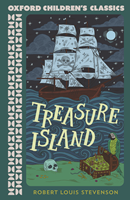
Treasure Island
Written by Robert Louis Stevenson
About: When young Jim Hawkins discovers a treasure map belonging to the notorious Captain Flint, he joins the voyage to recover it on board the Hispaniola. Little do they know that their ship’s cook, Long John Silver, is a ruthless pirate who will lead their crew to mutiny on the remote and dangerous Treasure Island.
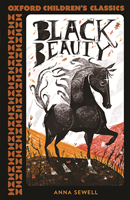
Black Beauty
Written by Anna Sewell
About: As a young horse, Black Beauty is kindly treated and well cared for, but after he is scarred in an accident his fortunes start to change. From high-stepping thoroughbred to downtrodden cab horse, Black Beauty’s story remains one of the most moving novels ever written about an animal’s life.
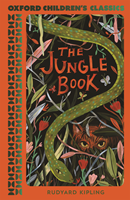
The Jungle Book
Written by Rudyard Kipling
About: Separated from his human parents, Mowgli is adopted by wolves. He develops a friendship with Bagheera, a panther, and Baloo, a bear, who instructs Mowgli on the Laws of the Jungle. But The Jungle is full of danger, and he must fight to survive…
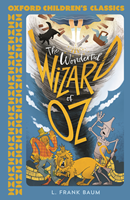
The Wonderful Wizard of Oz
Written by L Frank Baum
About: When a great tornado carries Dorothy to the land of Oz, she finds herself alone in a strange and enchanted place. If she is ever to see her Kansas home again, she must travel to the Emerald City and ask the Wizard of Oz for help. It’s a daunting journey, but with Dorothy’s new friends at her side - the scarecrow, the tinman, and the cowardly lion-anything is possible.
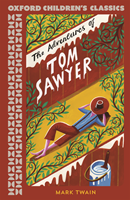
The Adventures of Tom Sawyer
Written by Mark Twain
About: Tom Sawyer is energetic, imaginative, and full of playful mischief. He creates quite a stir when he moves to a small village on the Mississippi River to stay with his Aunt Polly. But when Tom witnesses a murder, he finds himself in serious trouble.
Modern children's fiction:
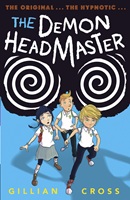
The Demon Headmaster
Written by Gillian Cross
About: Something weird is happening at school. The children are too well behaved - almost like robots. What strange power does the eerie headmaster hold over them, and can anyone resist? Or are Dinah, Lloyd, and Harvey doomed to become part of the Demon Headmaster’s dark plan?
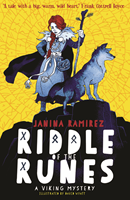
Riddle of the Runes
Written by Janina Ramirez
About: The Viking town of Kilsgard has its fair share of mysteries and in this exciting new series, young investigator and shield maiden Alva follows the clues to solve them. Fierce, stubborn, and curious-Alva’s-bound to get in trouble along the way, but all that matters is being first to the crime scene.
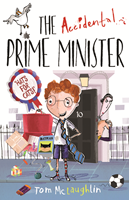
The Accidental Prime Minister
Written by Tom McLaughlin
About: When Joe tells a local news reporter exactly what he would do if he were leader of the country, the video goes viral and Joe’s speech becomes famous all over the world! Before long, people are calling for the current leader to resign and give someone else a go; and that’s how an ordinary boy like Joe ended up with the most extraordinary job. Now the fun can really start… A hilarious story of one boy’s meteoric rise to power!
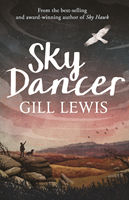
Sky Dancer
Written by Gill Lewis
About: When the whole community is divided over the fate of the hen harriers that nest up there in the heather, Joe finds himself stuck right in the middle, with a choice to make, and a huge secret to keep. Joe can’t do what’s right for everyone. But can he find the strength to fight for what he really believes in?
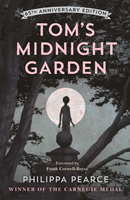
Tom’s Midnight Garden
Written by Philippa Pearce
About: When Tom is sent to stay at his aunt and uncle’s house for the summer, he resigns himself to endless weeks of boredom. Lying awake at night, he hears the old grandfather clock downstairs strike... eleven... twelve... thirteen... Thirteen! How strange! When Tom gets up to investigate, he discovers a magical garden. A garden that everyone told him doesn’t exist. A garden that only he can enter...
Frequently asked questions about reading for 11+ preparation
Why is reading important for 11+ preparation?
Reading regularly helps children build a richer vocabulary, improve comprehension, strengthen inference skills and become familiar with more complex language and sentence structures. These skills are commonly assessed in 11 Plus English and verbal reasoning exams. Find out more in our blog post about how reading helps children succeed in the 11+ exam.
How much should my child read before the 11+ exam?
While every child is different, many 11+ tutors recommend reading for at least 20 to 30 minutes each day. Consistent reading over time can help improve fluency, confidence and understanding, while exposing children to a wider range of vocabulary and writing styles.
Which books are best for improving 11+ vocabulary?
Books that contain rich and varied language can be particularly beneficial. Classics such as The Secret Garden, Peter Pan, The Wind in the Willows and Treasure Island introduce children to sophisticated vocabulary in context, helping them understand and remember new words.
Can reading improve verbal reasoning skills?
Yes. Reading helps children recognise word patterns, understand meanings, identify relationships between words and interpret language in different contexts. These skills can support success in verbal reasoning assessments and broader English exam tasks.
Are classic books useful for 11+ preparation?
Classic children's books often contain more advanced vocabulary and complex sentence structures than contemporary fiction. Reading classics can therefore help children develop stronger comprehension skills and become more comfortable with challenging texts that may appear in entrance examinations.
What reading level is suitable for children preparing for the 11+?
Children preparing for the 11+ exam should be encouraged to read books that provide some level of challenge while remaining enjoyable. A mix of classics, modern fiction and different genres can help broaden their reading experience and expose them to new vocabulary, themes and writing styles.
How can parents help children get more from reading?
Parents can support reading development by discussing books with their child, asking questions about characters and plot, encouraging predictions and talking about unfamiliar words. Keeping a vocabulary notebook and discussing new words in context can further strengthen learning. Find out more in our blog post on How to Build Strong 11+ Reading Habits
Should my child read both classic and modern fiction?
Yes. Classic books can introduce more challenging language and historical contexts, while modern fiction often explores contemporary themes and encourages engagement. Reading both types of books helps children become more adaptable readers and prepares them for a wider variety of texts.
What are the benefits of reading beyond the 11 Plus?
Reading supports far more than exam preparation. It helps develop communication skills, creativity, empathy, critical thinking and a lifelong love of learning. Encouraging children to read regularly can benefit their academic progress and personal development long after the 11+ exam has passed.